Sell Diamond Rings Online
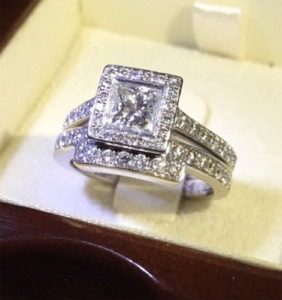 You can sell any diamond rings with us. We accept diamond rings with small diamonds and of course huge diamonds as wells. Sell-Rings.com is the perfect place to sell your diamond rings very fast and for a very high price. Our experts have the ability to deal with any kind of diamonds why we can even accept diamonds in need of recut.
Trust Sell-Rings.com is your new and great place to sell diamond rings online. Our experts are curious to take a look at your fancy diamond rings.
Diamond is the rarest of all-natural gems. It takes an estimated 3.5 pounds of carbon to produce one stone. In addition, it takes a large amount of pressure to form a diamond. When you sell a diamond, you offer the buyer a unique set of circumstances. On the one hand, you have the potential buyer. They’re interested in your ring, so they’ll look and see if they like what they see.
On the other hand, you have the seller. They’re offering you a diamond that they hope you’ll be interested in buying. You have to figure out how to make the best offer for both of you.
However, this is easier said than done. Selling a diamond is a delicate process, and you need to figure out how to negotiate it. Here are some tips on how to do it.
How much is a diamond ring worth?
The first thing you want to do is figure out what the ring is worth. If you’ve already been given an appraisal, you can use that as a starting point. However, it’s important to remember that estimates aren’t always accurate. They’ll give you a rough idea of what your ring might be worth, but they won’t tell you exactly how much it is worth. It would help if you took your ring to an independent appraiser to get the most accurate appraisal. Many jewelers will offer this service for free, but it doesn’t hurt to get a second opinion if possible. You want to make sure that the appraisal is accurate and not inflated.
How much are other rings selling for?
Once you know what your ring is worth, it makes sense to determine how much similar rings have sold in the past. This can help give you a better idea of what your call is worth, and it can also help you figure out what kind of price you should be asking for. It takes an estimated 3.5 pounds of carbon to produce one stone. In addition, it takes a large amount of pressure to form a diamond. Therefore, even minor imperfections in a diamond can make it less valuable.
Finding a Buyer
If you decide that you want to sell your ring, then there are a few different ways to go about doing it. For example, you can try selling it online through an auction site like eBay. This is one of the most popular ways of selling jewelry online, but it does come with some drawbacks. For example, there are a lot of scams out there, and some people will try to take advantage of unsuspecting buyers by selling them fake diamonds or other fake jewelry. For this reason, many people prefer selling their jewelry to a local jeweler. This can be a good option, but you’ll have to ensure that the jeweler is trustworthy and reputable. If you don’t know any local jewelers, you can always ask around for recommendations. Some folks have already selling experience as they may have sold an engagement ring. It’s unfortunate but a reality that many couples are getting divorced – probably the number one reason why the sell a wedding ring or a diamond ring.
Selling a diamond ring can be a lot of work, but it can also be gratifying. You have to make sure that you do your homework and don’t get taken advantage of. If you’re thinking about selling your ring, then take the time to research all of your options first. It’s essential to get the best possible price for your call, so you want to make sure that you know what it is worth before you try selling it.